The degradation is the opportunity
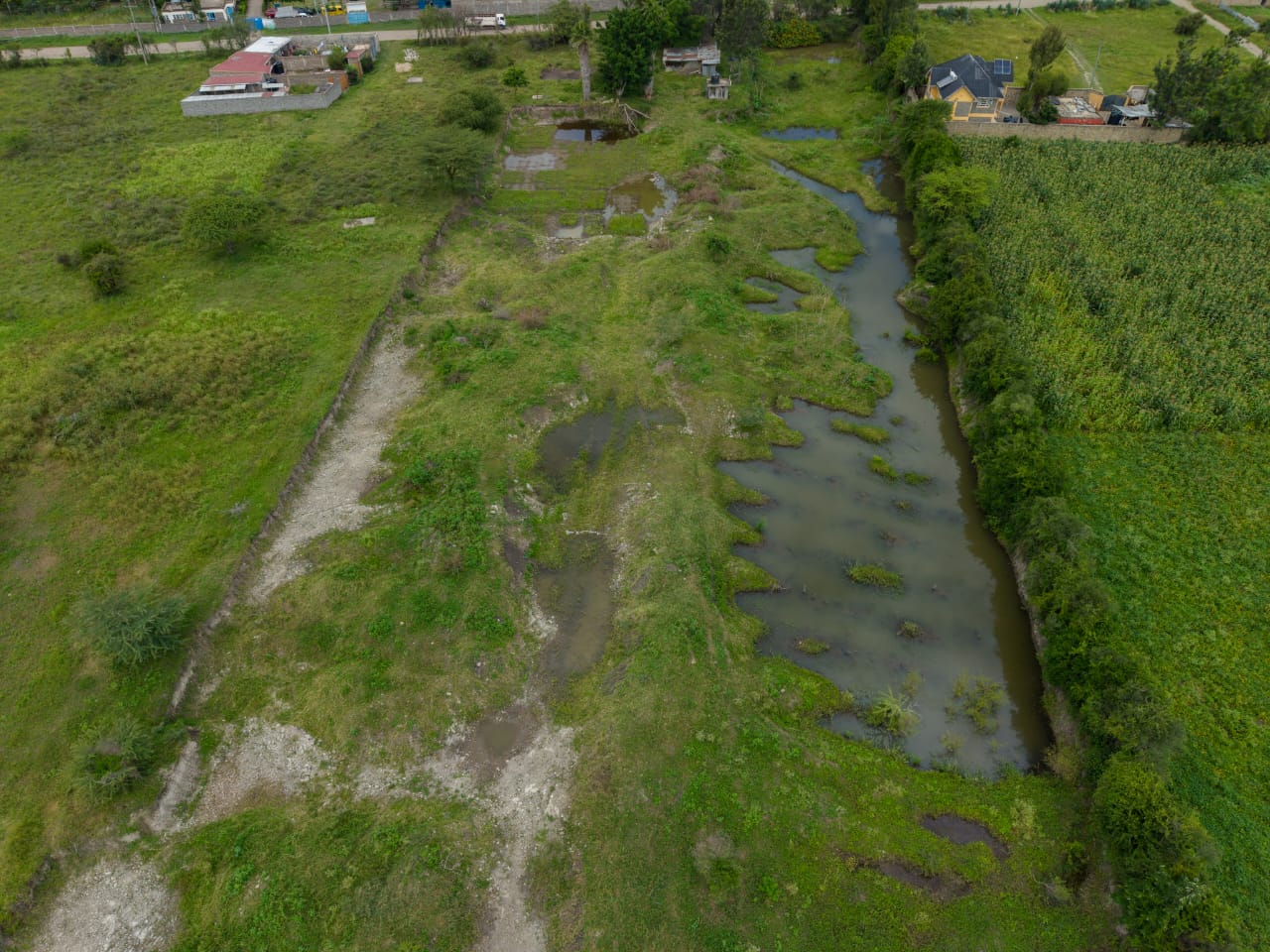
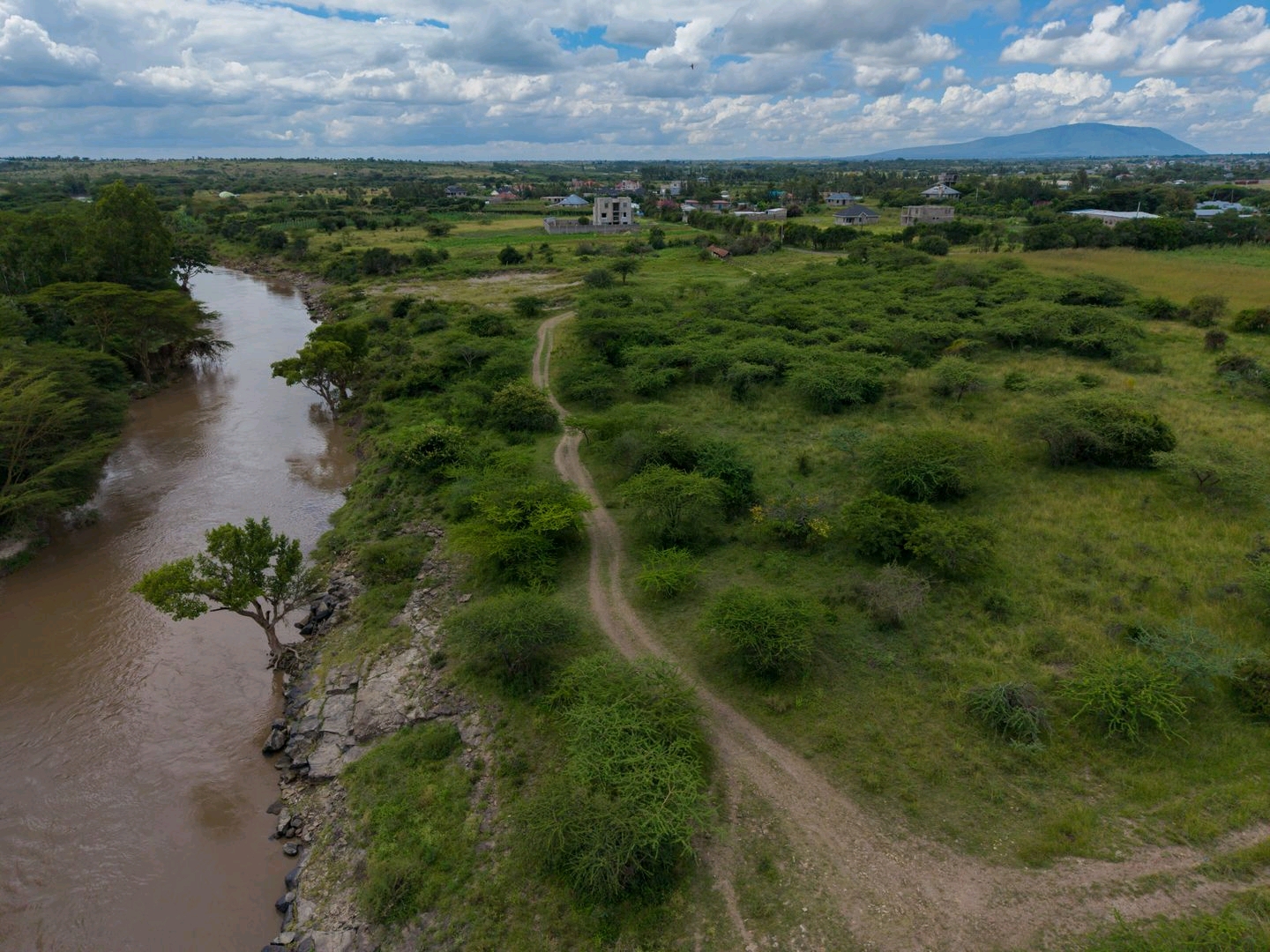
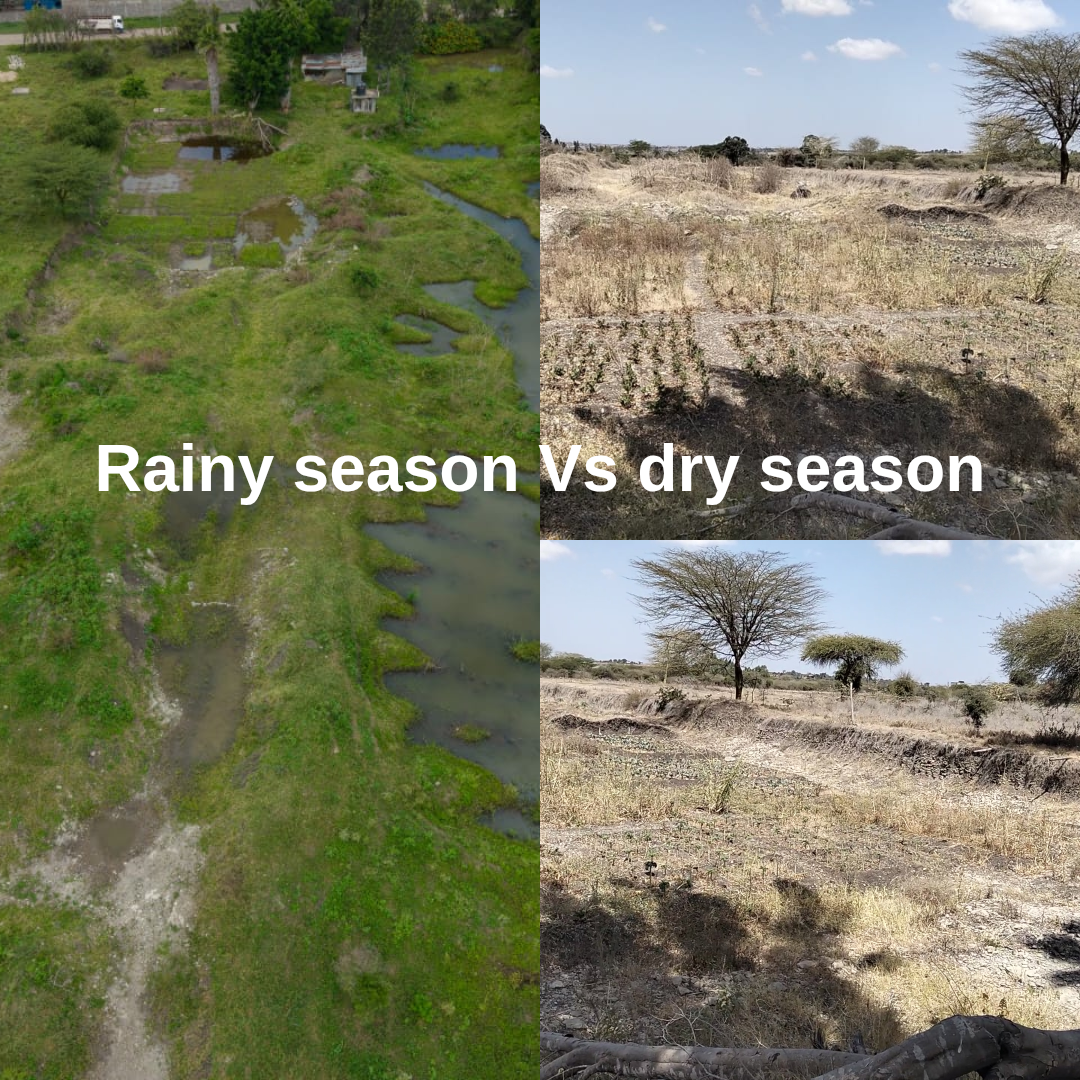
Five acres beside a river — waterlogged in the rainy season, parched and bare in the dry. We are not hiding this. We are showing it deliberately, because this is where the story begins.
The land has been neglected for years. It floods, it cracks, it sits idle while the community around it grows. And the river running alongside it? That is the greatest asset of all.
We are currently in Phase 1: backfilling and levelling the land before the first trees go in. Partners who join now become part of the founding chapter.
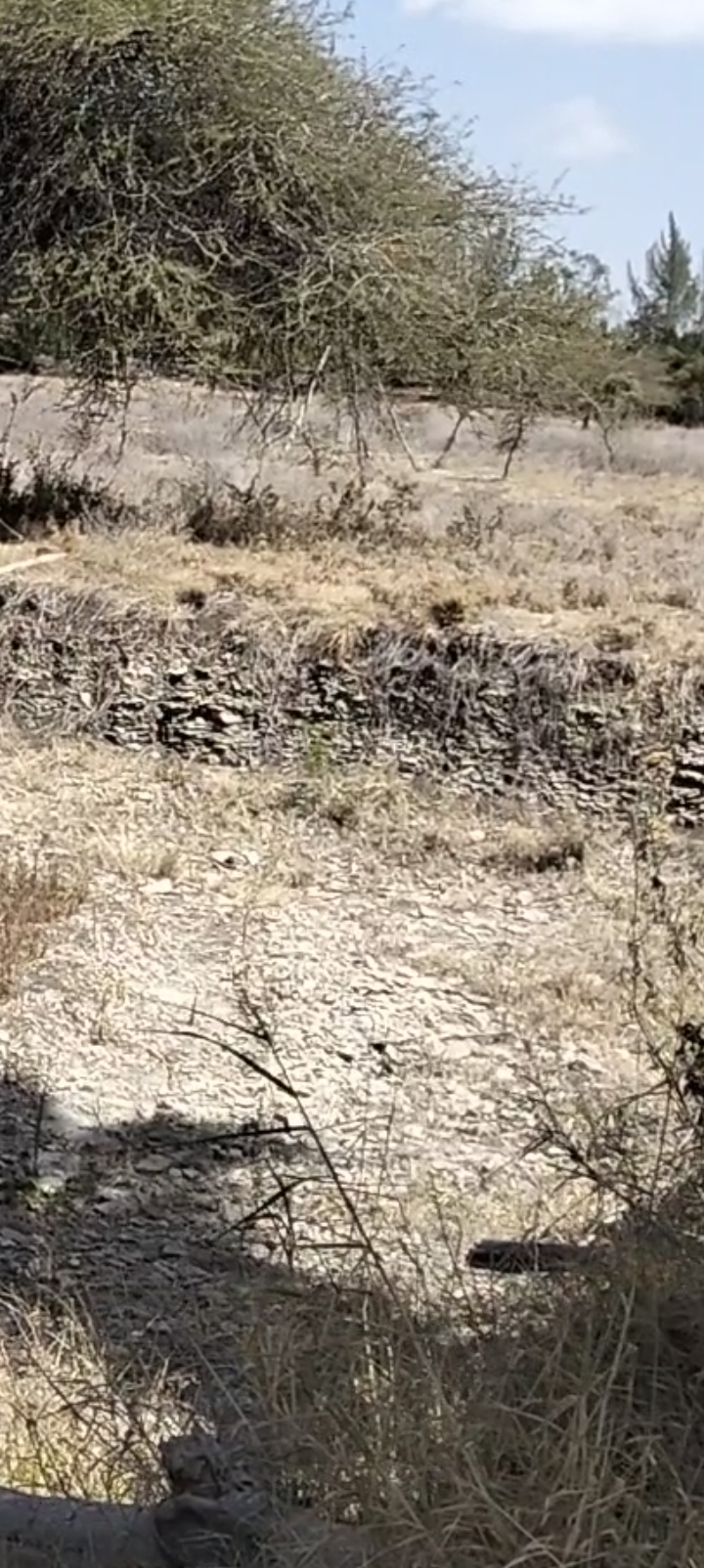
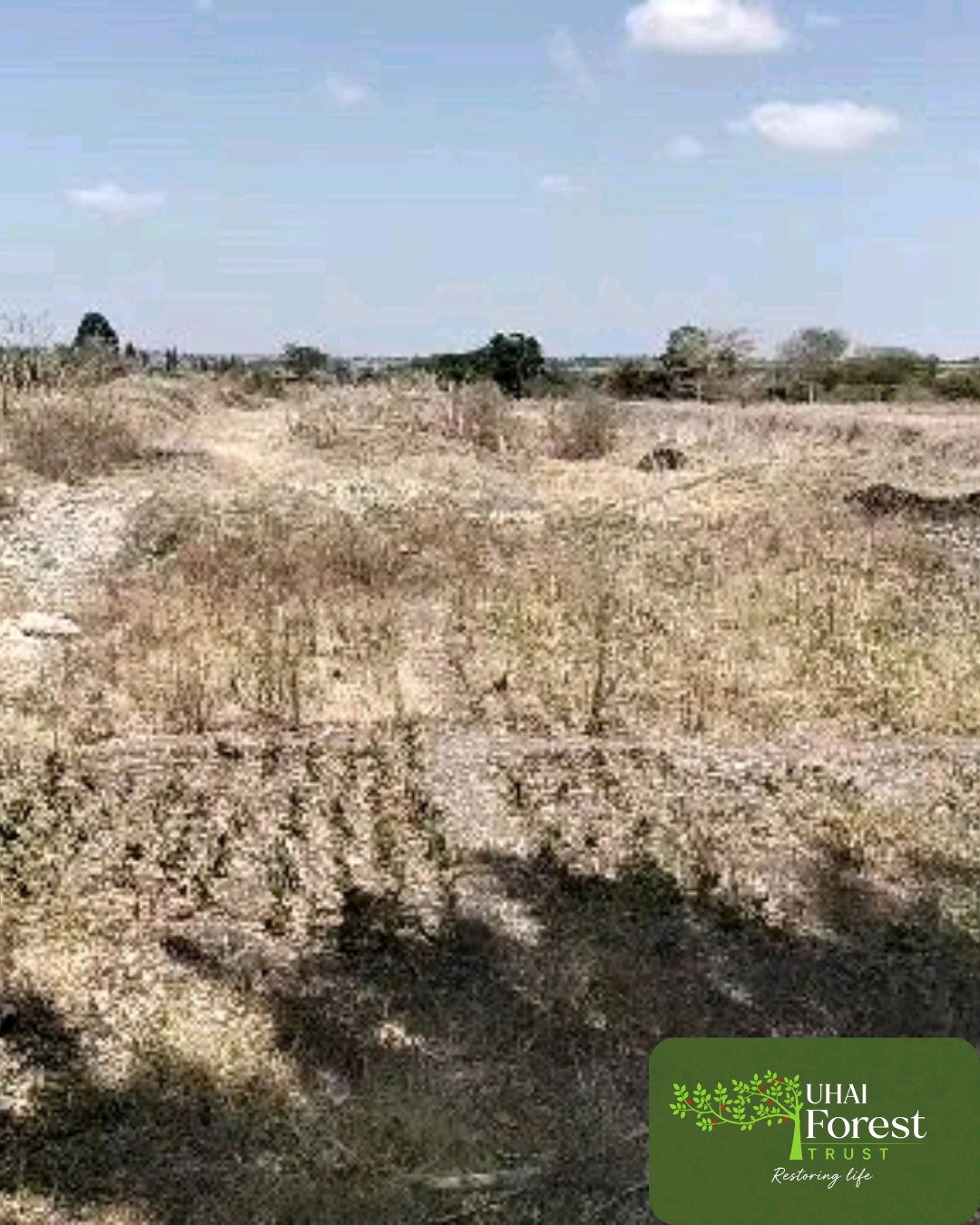
Four phases, from bare earth to living site
Phase 1 — Site Preparation
Backfilling, levelling, and soil assessment across the full five acres, laying the physical foundation before any planting begins.
Phase 2 — Foundation Planting
Pioneer species go in, the bamboo corridor is established along the river, and Miyawaki forest planting begins.
Phase 3 — Food Forest Establishment
Syntropic layers mature, mushroom cultivation is integrated into the understory, and water systems come online.
Phase 4 — Living Site
Juice bandas open, the natural pool is complete, children's programmes run regularly, and the site opens for visits.
Six elements of a living ecosystem
Food Forest
Multi-canopy permaculture and syntropic layers producing food, building soil, and sequestering carbon simultaneously.
Miyawaki Forest
A quarter-acre dense native forest, restoring indigenous biodiversity at ten times the speed of conventional planting — self-sustaining within 2–3 years, with 18–100x more biodiversity, 30x better rainwater absorption, and 30–40x more carbon sequestration than conventional planting.
Bamboo Corridor
Half an acre of bamboo along the river, preventing erosion, sequestering carbon, and protecting the waterway. Bamboo grows up to 3 feet per day, sequesters 4x more carbon than hardwoods, and releases 35% more oxygen than the equivalent hardwood stand.
Mushroom Cultivation
Integrated into the forest understory through log cultivation (shiitake, oyster, reishi) and mulch beds (wine cap stropharia), building mycorrhizal networks. Medicinal varieties include reishi for immune support, lion's mane for cognitive health, and turkey tail, studied for anti-cancer properties.
Juice Bandas
Open-air pressing stations built from bamboo, timber, and thatch. Visitors pick fruit along the tour and juice it on the spot — pedal, solar, or hand-crank blenders, zero waste.
Natural Pool
Chemical-free, self-purifying via aquatic plants and beneficial microbes. Central to the children's programme and wellness visits.
“Funders who arrive at the beginning don't just support impact — they shape it. They are named in the story of this land from the first tree planted to the last child who runs through it.”